89 – Spending Good Money On Bad Songs

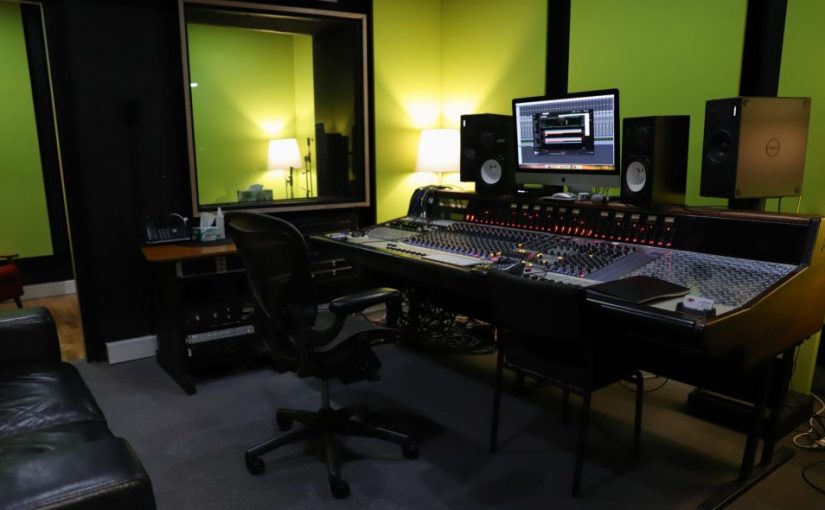
As a publisher, I have often received song demos that were clearly expensive studio recordings featuring professional session musicians. The demos were often excel- lent productions that sounded like masters. In many cases, though, I still passed on them because the songs themselves just weren’t good enough. 

If you really believe in your talent and you’re willing to spend a small fortune on your demos, that’s fine. But you shouldn’t even think of rushing into a studio until you’ve got the most important ingredient right—the song itself. It has to be as polished and shiny as you can make it, otherwise you could be wasting your money. 

Publishers, A&R executives and producers would rather hear a potential hit song in its rawest voice/piano or voice/guitar form than waste their time listening to a demo of an average song hidden behind great engineering or great production. So don’t spend good money on demos of bad songs. You have to accept that not every song you write will be worthy of a demo. 

And don’t fool yourself into thinking that something magical will happen in the studio and your rusty piece of metal will suddenly be turned into gold. An average song will always be an average song, no matter how well studio musicians dress it up. 

Ask friends or relatives, or a songwriting buddy, for their honest opinion of the song that you want to demo. Sing it for them accompanied by just a piano or a guitar. If you can’t make the song sound special in such a raw, stripped-down form, then it probably isn’t worth spending your hard-earned cash on making a studio demo of it. 

# # # # 
90 – Relying On A Demo To Fix A Song

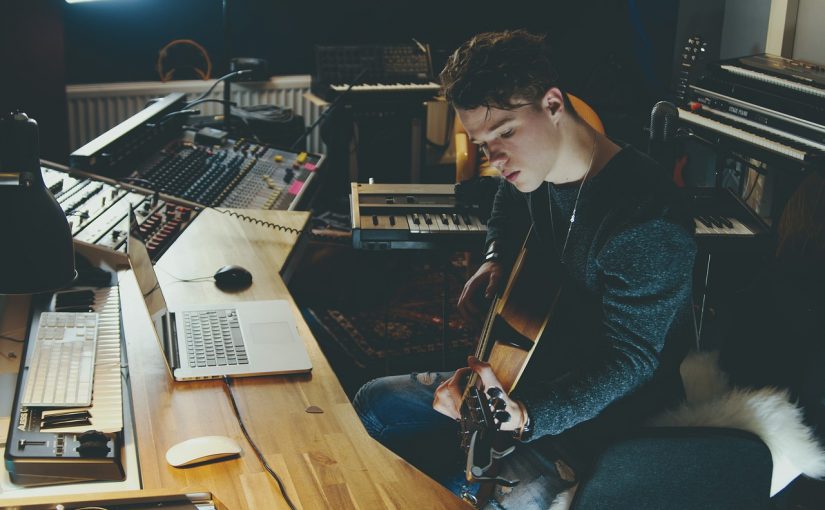
Unless you have your own home recording set-up where you can afford to experiment with demos, don’t make the mistake of taking a new song into a professional studio believing you can fix any structural weaknesses during the demo recording process. 

When you’ve booked a studio for a certain number of hours—and the studio clock keeps on ticking—there’s a huge amount of stress and pressure in the room. It’s like taking a crucial test at school and you’re working against the clock and starting to panic. Unless you’re in a successful band with all the studio time in the world, it’s not the ideal environment for trying to perfect a song. 

So don’t waste expensive studio time on trying to fix a problem that should really have been resolved at the re-writing and polishing stage. 

When you have a brand new song and you’re really excited about it, there is understandably a temptation to rush into the nearest studio and demo it right away— even if there are still one or two cracks in the song. Much better to be patient and spend a little more time getting the song right before you enter a studio. 

Hit songwriter Max Martin, for example, sets a very high standard of quality-control for his songs which results in only one idea in 300 getting to the demo recording stage. “Sometimes you have to be a mass murderer and kill your darlings,” he told Time magazine. 

You can save yourself a lot of wasted time and money by making simple guitar/ vocal or piano/vocal ‘memo’ demos on a hand-held recorder or a smartphone at the re-writing stage. Once you’re satisfied with the song, you’ll be able to play your final rough recording of it to the session musicians and demo vocalist (if you’re not singing it yourself). 

However, if you still have any doubts about the song before going into the studio, don’t think giving it the full demo treatment will solve the problem. It probably won’t. 

Most songs will, of course, sound better with the help of a full studio production and professional musicians. But experienced publishers and A&R executives will look behind the production façade—and all the fancy guitar fills and background vocals—and spot any remaining flaws in the song itself. 

# # # # 

91 – Not Knowing What You Want Before Going Into The Studio

Unless you’re highly adept at getting the best out of digital home recording soft- ware and equipment, you may have to book a session at a professional recording studio if you want a good-quality demo. And quality studio time doesn’t come cheap. 

One of the most expensive mistakes that many new songwriters make is to go into a demo studio without having a clear idea of what they want in terms of the arrangement, instrumentation, sound and feel. 

If you aren’t singing the song yourself, you could eat up valuable studio time trying to establish the best key for the singer, and then have to transpose all your chord charts and other musical parts into the singer’s key. 

If you haven’t already written a catchy melodic phrase or riff for the intro section, more time could be wasted if you have to wait for the guitarist or keyboardist to adlib a suitable intro. 

Similarly, if you haven’t created all your secondary hooks in advance, you could lose more studio time if you have to rely on the musicians to come up instrumental, rhythmic or other sound hooks. 

It is essential for time-consuming elements such as these to be carefully planned before you set foot inside the studio. 

A recording studio can be a high-pressure environment, and writers who are just starting out often feel a little overwhelmed and intimidated. If you end up experimenting with ideas instead of recording tracks, the only person who will benefit is the studio owner because you’ll have to pay for the extra studio time. 

If there is a cap on the studio time available to you, you could end up rushing the recording because you’re running out of time. This invariably results in a demo that you’re not 100% happy with. And, for years to come, it will always bug you that the demo could have been so much better if only you had been better organized during the session. 

# # # # 

92 – Failing To Make An Impact

Some new writers make the mistake of submitting a demo even though they know the sound quality isn’t great. They assume that publishers, A&R reps and producers will take the time to imagine what the song would sound like if it had been recorded in a studio or with better-quality home recording gear. 

In reality, most music industry pros are just too busy to do that. While they aren’t necessarily looking for the best studio quality in a demo, what they hear does sub- consciously influence their attitude to a song. 

When they press ‘play’ and hear a poorly recorded voice/piano or voice/guitar demo, they will instantly assume you’re an amateur—and they will expect your songs to be amateurish too. Some less generous music industry execs will immediately hit the ‘stop’ button because they don’t want to waste their time on amateurs. Others (usually the decent folks who started out as aspiring songwriters just like you) may give your demo another 30-60 seconds to make an impression. 

It is therefore vital to produce the best-sounding demo you can afford in order to make an impact on the listener within the first few bars—even if it means waiting a few more weeks until you’ve got enough cash to make a decent recording that will do your song justice. 

Be aware, though, even expensive studio recordings don’t always produce the demo quality that you want. This is usually because the session ends up being rushed. 

That’s why it’s important to plan a demo carefully and well in advance. 

A few days before the session, give the musicians and singers a copy of your rough ‘demo’ demo, along with a chord chart and lyric sheet. This will give them time to learn the song before coming into the studio (and before the studio clock starts counting down the precious session time you’ve booked!). 

If you can’t afford a full studio demo with drums, bass and ‘color’ instruments like electric guitars and keyboards, a stripped-down voice/piano or voice/guitar demo can still help you sell your song—provided the sound quality is good (with no pops or hiss or dropouts). 

Simply adding vocal harmonies and hand claps to a single-instrument demo will help to increase the impact on the listener. It will make the production sound ‘bigger’ without having to spend your hard-earned cash on other instruments and musicians! 

# # # # 

93 – Your Demo Is Over-Produced

At the other end of the scale from a poorly recorded demo is the song demo that is over-produced. 

With the spread of affordable digital recording software and equipment, many demos tend to be as good as masters these days. But don’t make the mistake of recording a demo that is so busy and over-crowded that the most important ingredient—the song itself—gets lost in a forest of multi-layered instruments and vocals. 

Sound quality and sounding professional are very important, of course. But sometimes less is better than more—otherwise there’s a risk of your demo appearing sloppy because there’s way too much going on. 

You should avoid this trap if you’re trying to land a record deal. At the demo stage, record labels aren’t really interested in hearing amazing guitar solos, drum fills and production gimmicks. They’re looking for self-contained artists who write great songs (and hit singles) and have a unique sound. 

If the purpose of the demo is to pitch your song for someone else to record, a full production can sometimes hinder rather than help. It is often better to leave plenty  of room for a producer or an artist to imagine how they would record the song if they like it. If the demo version is too complete, they may not be able to hear it done any other way. And if the way you’ve recorded it is not their style, they may simply reject the song. 

A good-quality scaled-down demo can give you much greater flexibility, and may allow you to pitch the same song to artists in different genres. It will also make it easier for a music publisher to see the song’s versatility.

That’s why experienced writers often record both a full band demo and a scaled- down voice/guitar or voice/piano version—especially if the song is a ballad. 

Country music legend Don Williams is just one artist who has expressed a preference for hearing new songs performed by the writer with just a guitar or a piano. “Demos can go one of two ways for you,” he once said. “If it’s a demo that helps, sometimes it’ll help a lot. But by the same token, I think there are demos that close the door because it takes you in a direction that maybe you don’t want to go in.” He added: “It’ll color the attitude you might have about the song. Without the demo you might have viewed it another way.” 

# # # #   

94 – Vocals And Lyrics Aren’t Clear

How often have you seen a product advertisement in a magazine that simply dis- plays a picture and does not include any words that explain what the product is called, what it does, and what its unique selling point is? 

In the case of a brand new product that nobody has ever heard of, such a vague ad would probably generate zero sales. 

As mentioned previously in this book, a demo is an advertisement for a song that nobody has ever heard before. So the same sales and marketing criteria apply. People need words to tell them the title and what the song is all about so that they can decide whether or not to buy it. 

This means a demo has to sell your lyrics as well as the music—so the lead vocal has to be upfront in the mix to enable listeners to hear the words clearly. 

Getting a hot mix is a critical part of producing a professional-sounding recording. But all you need on a good demo is a solid and tight rhythm track with a strong lead vocal that stays in tune. The music should never be allowed to drown out the singer. 

Bear in mind that the people you submit your demo to are unlikely to hear the track for the first time on studio-quality speakers. Most of the publishers, A&R people and producers that I know usually listen to new demos in the car, on an MP3 player while commuting, on a laptop or mobile device, or on a small audio system in the office. 

So it is always best to mix your demo down to small speakers. 

And if someone is listening to the demo while travelling, they probably won’t have a copy of the lyrics with them—so even more reason to make sure the vocal and the lyrics are crystal clear. If they have to strain to hear the words, they may just hit the ‘stop’ button … and move on to someone else’s demo. 

# # # # 

95 – To Sing Or Not To Sing

Don’t make the mistake of singing the lead vocal on your demo if you’re not really a singer. You have to be brutally honest with yourself and ask: Does my voice sound professional enough to help sell the song? Or am I better at writing tunes than singing in tune? 

Obviously, if you’re writing for your own band and you have a great lead singer—or if you’re nurturing a talented new band or solo artist—then projecting the song through their vocals shouldn’t be a problem. 

However, if the purpose of your demo is to secure a publishing contract or to pitch a song to a producer, you shouldn’t try to cut corners by singing on the demo yourself—especially if you know the vocals won’t be as good as they need to be, or if your voice just won’t be right for this recording. 

If you really believe in the song, you may have to invest in hiring a professional session singer to highlight the song’s true quality and hit potential. If you can’t afford to do that, maybe you have a friend who can sing in tune and phrase and enunciate words well. Either way, it’s essential to find the right singer for the song. 

If you’re making a stripped-down voice/piano or voice/guitar demo (as opposed to an informal rough demo), the quality of the vocal becomes even more important because it is completely exposed for all to hear. The voice carries the entire responsibility for creating a positive first impression when a publisher or A&R rep hears the song. 

Even if it’s a full studio demo, you can’t try to hide a poor lead vocal in the mix. As mentioned in the previous section, the voice always has to be upfront to enable listeners to hear the words clearly and to help sell your lyrics as well as the music. 

# # # # 

96 – Wrong Vocal Style On The Demo

If you’re not a singer, and you need someone else to provide the lead vocals on your demo, make sure you choose a vocalist with a sound and style that is compatible with the song. If you don’t, there’s a danger that any mismatch between the singer and the feel of the track could weaken the demo’s ability to sell the song. 

You first have to choose the music genre that best suits the song—e.g. pop, rock, dance or country—and decide if the song requires a male or a female singer. The next step is to find a vocalist who is comfortable with this type of music, has the right voice for it, and can capture the essence of the song. 

You also have to make sure that your rough ‘memo’ demo gives the session singer a good idea of how you want the vocal to sound (no matter how good or bad your own voice may be!). 

If the purpose of your demo is to pitch a song to an established artist, don’t make it too hard for people to imagine the artist performing the song. Even if it is a potential hit and a perfect fit for the artist, don’t expect a busy producer or A&R manager to take the time, for example, to translate the crooning style of the singer on your demo to the raunchy vocals of their R&B artist! 

To make your song believable, the vocal style on the demo should be as close as possible to that of the artist you’re targeting. 

Any suggestion of incompatibility in the vocals could obscure the quality of the song itself—and may result in a rejection letter. 

# # # # 

97 – Don’t Let Your Ego Get In The Way

If your demo is intended to sell the song itself—rather than provide a showcase for a band or you as a singer-songwriter—don’t make the mistake of thinking that the quality of the musicianship doesn’t really matter. 

Poor musicianship on a demo is likely to make a good song sound inferior. 

Don’t expect to get away with saving money by playing on the demo yourself if you’re fairly limited as a musician. If your strength is writing songs rather than playing them, it may not be worth the savings if you skimp on quality musicians who could otherwise light up the song and enhance it with some brilliant playing. As mentioned earlier in this book, while publishers, A&R reps and producers aren’t necessarily looking for the best studio quality in a demo, what they hear does sub- consciously influence their attitude to a song. So it’s important to make sure your demo sounds professional—with a solid and tight rhythm track that keeps time, no slipped chords, and no bum notes in the guitar and piano fills! 

And if the demo only features one voice and a single piano or guitar, it is doubly important that the playing is of the highest quality because every element of the recording will be exposed. 

So be ruthlessly honest with yourself, and don’t let your ego get in the way. 

Do you really think you’re competent enough to go into a high-pressure studio environment and play on the demo yourself? If not, it may be better to ask some experienced musician friends to do you a favor. Or, if you really believe in the song, consider hiring professional musicians if you can afford it. 

Working with the right musicians is an essential ingredient if you want to end up with a good recording that will create a positive first impression for your song. 

# # # # 

98 – Putting An Instrumental Break In Your Demo

If the purpose of your demo is to get your song picked up by a music publisher, A&R manager or a record producer, all they want to hear is the quality of the song—so don’t make the mistake of including a long instrumental section that doesn’t add anything to the song itself. 

It’s okay to include a short instrumental hook or riff in the intro, or as a distinctive musical link between the end of the chorus and the start of the next verse. But a long, gratuitous guitar solo is not going to impress anyone and is unlikely to convince them to sign your song. 

Obviously, if your aim is to secure a record deal for yourself or your band, an artist demo usually requires a little more instrumentation to showcase your sound, style and originality. But only include an instrumental break if you feel you need to demonstrate your musicianship or your potential as a live performer. 

Keep it short though—ideally about four bars and no longer than eight. A two- minute solo or extended instrumental outro may simply test the listener’s patience! 

# # # #